In the ever-evolving world of digital aesthetics, brands constantly look for the perfect design style to represent their identity online. Two dominant styles continue to stand out: Minimalist vs. Maximalist Web Design. Each has its own strengths, philosophy, and ideal use cases. Understanding the differences between these two approaches can help businesses and designers choose the right direction for their website-one that enhances user experience, reflects brand personality, and boosts conversions.
Minimalism emphasizes simplicity, clarity, and space. Maximalism embraces boldness, richness, and expressive visual storytelling. While these styles stand on opposite ends of the design spectrum, both can be powerful when applied with purpose.
This article explores the key principles of Minimalist vs. Maximalist Web Design, their benefits, drawbacks, and insights on choosing the right style for your target audience and brand goals.
#1. Understanding Minimalist vs. Maximalist Web Design
Before comparing their effectiveness, it’s important to first understand the defining characteristics of both design philosophies.
What Is Minimalist Web Design?
Minimalist design focuses on simplicity and clarity. It uses clean layouts, plenty of white space, limited color palettes, and essential elements only. The goal is to guide the user effortlessly toward the most important content.
Characteristics often include:
- Clean typography
- Few distractive elements
- Neutral or soft color schemes
- Focus on usability and clarity
Minimalism aims for an uncluttered, elegant experience that reflects modern sophistication.
What Is Maximalist Web Design?
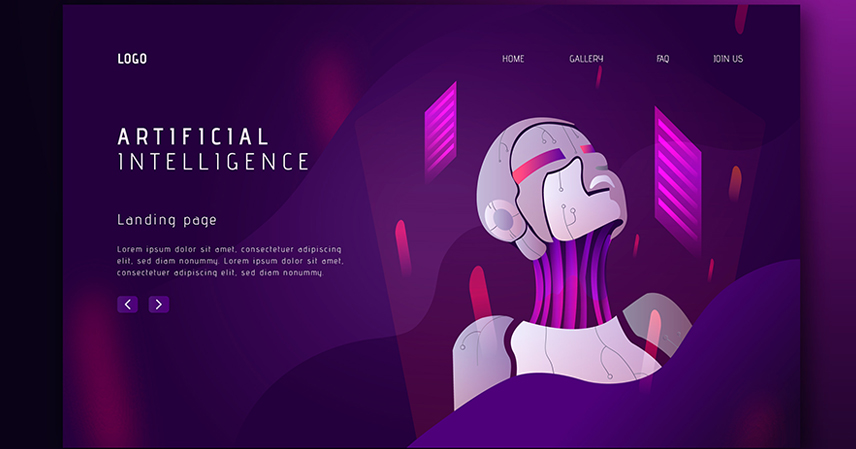
Maximalist design takes the opposite approach. It embraces complexity, bold visuals, vibrant colors, layered textures, and rich storytelling. Maximalism creates a memorable first impression and an immersive environment for users.
Typical characteristics include:
- Bold colors and patterns
- Dynamic layouts
- Heavy use of imagery or illustrations
- Strong expressive branding
Maximalism aims for visual impact, personality, and emotional engagement.
Understanding these core principles is essential when comparing Minimalist vs. Maximalist Web Design to determine which aligns best with your audience and objectives.

#2. Benefits of Minimalist Web Design
Minimalism remains popular because of its functionality and timeless appeal. Here are key advantages:
Clean and Faster User Experience
A minimal layout ensures users can navigate effortlessly. With fewer distractions, people can focus on the primary message or call-to-action.
Improved Performance and Speed
Minimalist websites generally load faster because they use fewer graphics and heavy design elements. Faster loading times improve user satisfaction and SEO rankings.
Higher Accessibility
Minimalist designs tend to be more accessible because they maintain clean contrasts, simplified navigation, and limited visual noise.
Easier Content Prioritization
Minimalism forces clarity. Only essential elements appear on the page, making messaging concise and effective.
Modern and Professional Aesthetic
Minimalist design has a sleek, sophisticated look that appeals to industries like tech, finance, health, and consulting.
#3. Benefits of Maximalist Web Design
Maximalism delivers a completely different but equally powerful experience.
Bold First Impressions
Maximalism’s vibrant visuals create a memorable impact, helping brands stand out in crowded markets.
Stronger Emotional Engagement
The expressive nature of maximalism-textures, depth, contrast, and layers-evokes emotions that help build deeper connections with users.
More Space for Creativity
Maximalist designs give designers the freedom to experiment with color, typography, illustrations, animations, and unique layouts.
Flexible Brand Expression
Maximalism makes it easier for creative, artistic, or niche brands to establish strong identity and personality.
Highly Visual Storytelling
Rather than relying solely on words, maximalist design uses visuals to create immersive stories that attract and retain attention.
#4. Drawbacks of Each Style
When comparing Minimalist vs. Maximalist Web Design, it’s crucial to evaluate their potential limitations.
Minimalism Drawbacks
- Risk of appearing too plain or generic if not executed creatively.
- Limited opportunities for emotional storytelling.
- May undersell brand personality if the brand thrives on bold expression.
- Can feel empty if whitespace is not balanced well.
Maximalism Drawbacks
- May overwhelm users if too many visual elements compete for attention.
- Slower loading times due to heavier assets.
- Can distract from key content if not carefully structured.
- Requires more design expertise to balance complexity with usability.
#5. Choosing Between Minimalist vs. Maximalist Web Design Based on Brand Identity
Your brand personality is one of the strongest indicators of which design style to use.
Minimalism Fits Best When:
- The brand is modern, sleek, or tech-focused
- The message relies on clarity and professionalism
- The target audience values simplicity and efficiency
- You want a timeless, elegant design approach
Industries like SaaS, finance, healthcare, and consulting often benefit from minimalism.
Maximalism Fits Best When:
- The brand is creative, expressive, vibrant, or youth-focused
- Storytelling is central to the user experience
- You want to stand out visually
- The target audience appreciates art, culture, or entertainment
Lifestyle brands, portfolios, agencies, creators, and eCommerce stores often thrive with maximalism.

#6. Audience Expectations and User Behavior
Your design choice should reflect what your users find appealing, intuitive, and engaging.
Minimalist Users Value:
- Quick navigation
- Clean layouts
- Straightforward content
- Efficiency over decoration
Maximalist Users Value: Rich details Creative experiences Visual storytelling Personality and uniqueness
Analyzing user behavior through analytics, heatmaps, or surveys can help determine which style truly resonates.
#7. SEO Considerations for Minimalist vs. Maximalist Web Design
SEO also plays a key role in deciding your approach.
SEO Advantages of Minimalist Design
- Faster load times
- Clean code structure
- Fewer distractions
- Improved mobile performance
SEO Advantages of Maximalist Design
Although maximalism is heavier, it can still benefit SEO when executed well:
- High engagement rates
- More visual content for search indexing
- Strong branding signals
- Higher shareability
However, maximalist sites must be optimized carefully to avoid performance issues.
#8. Performance and Usability: Which One Wins?
When analyzing Minimalist vs. Maximalist Web Design, minimalism tends to perform better in areas like speed, simplicity, and accessibility. However, maximalism excels in creating memorable and engaging experiences.
A good rule of thumb is:
- If performance and usability are top priorities → choose minimalism
- If brand expression and visual storytelling matter more → choose maximalism
The real winner depends entirely on your goals.
#9. Can Minimalist and Maximalist Web Design Be Combined?
Absolutely-modern design trends increasingly blend elements of both styles.
This hybrid approach may include:
- Clean layouts with bold headers
- Minimal navigation paired with vibrant illustrations
- Simple structure combined with expressive hero sections
A balanced approach can deliver the clarity of minimalism with the creativity of maximalism, giving users the best of both worlds.
Conclusion: Which One Works Best-Minimalist vs. Maximalist Web Design?
Choosing between Minimalist vs. Maximalist Web Design depends on your brand’s personality, goals, target audience, and desired emotional impact. Minimalism shines with clarity, speed, and efficiency, while maximalism excels in creativity, storytelling, and strong brand expression. Neither is inherently superior-what matters most is aligning your design approach with your audience’s expectations and your brand’s identity.
Whether you aim for sleek simplicity or bold visual richness, the best design is the one that delivers an engaging, intuitive, and memorable experience. By understanding the strengths of both approaches, you can make a strategic decision that elevates your website and enhances your overall digital presence.